A New Chapter, a Kinder Routine: Menopause and Your Smile in Bordesley

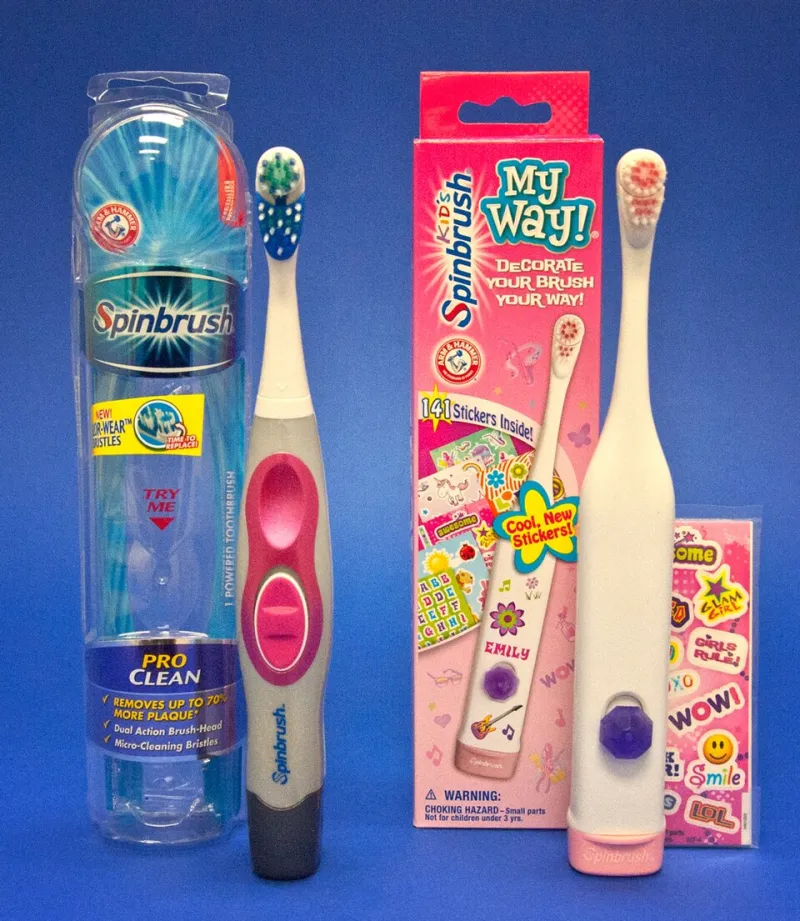
Photo: Faye Kinnit, CC BY-SA 2.0, via Wikimedia Commons
Menopause has a reputation for hot flushes and broken sleep, but it can also quietly change how your mouth feels. If you have found yourself reaching for water more often, noticing a metallic taste, or wincing when you brush along the gumline, you are not imagining it. Hormonal shifts during perimenopause and menopause can affect saliva, gum tissue and bone, and those changes deserve a calm, practical response rather than a shrug.
Why your mouth might feel different
Oestrogen does more than run the reproductive system. It helps keep oral tissues comfortable and influences saliva flow. As levels rise and fall unpredictably during perimenopause, some women notice a drier mouth, tender gums or changes in taste. Saliva is your mouth's own rinse: it washes away food, neutralises acid and keeps soft tissues supple. When it thins out, teeth can feel more sensitive and decay has an easier time. Gum tissue can also become more reactive, so bleeding may appear even if your brushing routine has not changed. Bone changes after menopause matter too, because the jawbone supports your teeth. None of this means every woman will have dental problems. It simply means your mouth may need a little more attention, and that is something we can help with.
The signs worth noticing
You do not need to panic about every twinge, but it is worth keeping an eye on a few common patterns:
- a sticky, dry feeling in the mouth, especially at night
- gums that bleed when you brush or clean between your teeth
- tenderness along the gumline or a burning sensation
- a metallic or altered taste
- more sensitivity to hot, cold or sweet foods
- repeated cavities or a feeling that food sticks to your teeth more than before
Some of these can also be linked to stress, new medicines, reflux or simply getting out of the habit of regular check-ups. The point is not to self-diagnose over the kettle. It is to notice what has changed and mention it at your next visit.
Small habits that make a real difference
Brush twice a day with a fluoride toothpaste, for two minutes, last thing at night and at one other time. Use a soft or medium brush and avoid scrubbing. If your gums bleed, resist the urge to stop cleaning there; gentle, consistent cleaning is usually what settles things. Clean between your teeth daily with interdental brushes or floss, whichever you can use comfortably. A dry mouth can make these habits feel harder, so keep water nearby and try an alcohol-free mouthwash or a saliva substitute from a pharmacy if you need extra comfort. Sugar-free gum after meals can also encourage saliva.
Dry mouth comfort at home
Keep a glass of water by the bed. Sip through the day rather than gulping a lot at once. Cut back on frequent sugary or acidic drinks, including fizzy pop and some fruit teas, and try not to graze on snacks all day. If you enjoy a glass of wine or a coffee, have it with a meal where possible and rinse with water afterwards. Alcohol and smoking can dry the mouth and irritate gums, so this is a sensible time to be kind to yourself. If heartburn or reflux is part of your life, mention it, because stomach acid can damage enamel.
HRT, medication and your dentist
Some women worry that mentioning HRT will invite a lecture. It will not. HRT is a medical decision for you and your GP, and your dental team simply needs to know what you are taking so we can understand your mouth. The same goes for antidepressants, antihistamines, blood-pressure tablets and any supplements. Many common medicines can reduce saliva, and a dry mouth is easier to manage when we know the cause. If you are prescribed medication for osteoporosis, tell us before any extraction or gum surgery; there are rare jaw healing issues we like to consider in advance.
When to book sooner
Gums that bleed every day, a sore patch that has not healed after three weeks, loose teeth, swelling, or a dry mouth that makes eating and sleeping difficult are all reasons to book sooner rather than waiting for your next recall. Toothache or a broken tooth should also be seen promptly. NHS dental care is not one-size-fits-all; your check-up interval should reflect your needs, and changing symptoms are part of that picture.
A sentence that starts the conversation
You do not need a speech. Try: my mouth has been drier lately, and my gums bleed when I clean between my teeth. That is enough for us to start. We can look at your gums, check for dryness and early decay, and talk through options such as fluoride toothpaste, extra hygiene appointments or simple changes at home. No judgement, no perfect-patient performance required.
Looking after the whole picture
Menopause is a normal life stage, not a dental emergency. Eating well, staying active, getting enough calcium and vitamin D if advised, and keeping up with GP checks all support your general health, which in turn supports your mouth. If you are in your 40s or 50s and something feels different, trust that instinct. A quick check can rule out problems and often settles worries faster than an internet search. Whether you are popping in between the school run and the bus home, or fitting an appointment around work in Bordesley Village, we would rather hear about a dry mouth or tender gum early than have you sit at home feeling unsure.