Gadget or Gimmick? A Bordesley Family’s Honest Look at Electric Toothbrushes
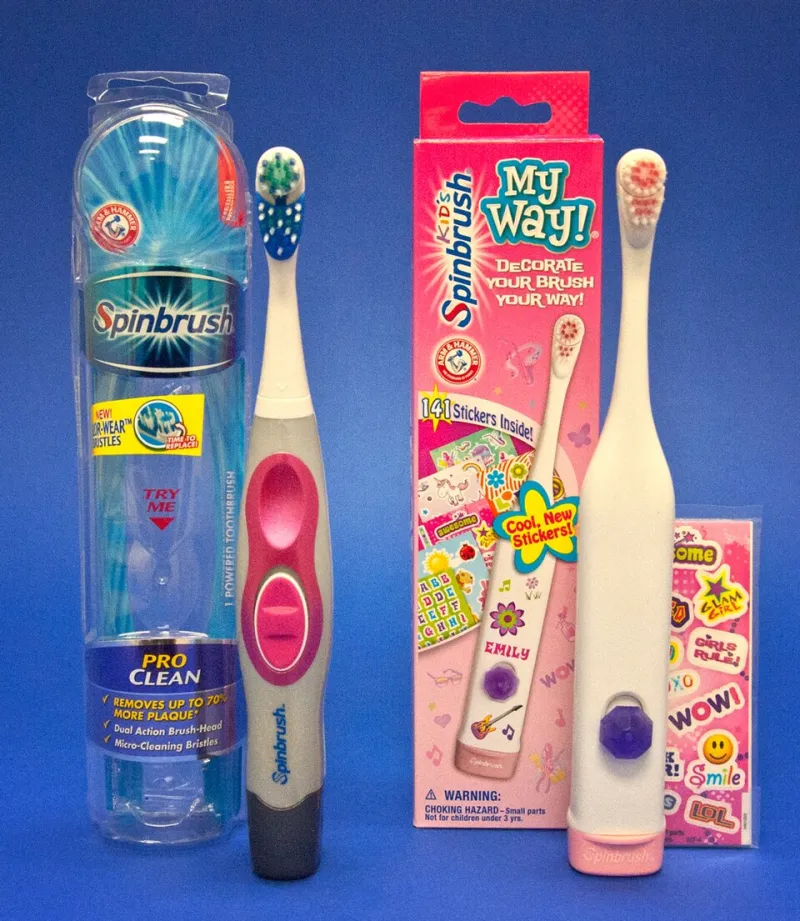
Photo: The U.S. Food and Drug Administration, Public domain, via Wikimedia Commons
Walk through any Birmingham supermarket or browse the sales pages on your phone and you’ll see them: electric toothbrushes with timers, pressure lights, app connectivity and price tags that make you pause. For a Bordesley household watching the weekly shop, the question is simple enough. Is an electric toothbrush actually better, or are we just paying for a gadget that buzzes?
The honest answer is a bit of both. An electric brush can be a genuinely useful tool for some people. For others, a manual brush and a steady routine will do the job perfectly well. The trick is working out which household you’re in — and not letting the marketing make that decision for you.
What an electric brush actually does
Most electric toothbrushes fall into two broad camps. Oscillating-rotating brushes have a small round head that turns back and forth, while sonic brushes vibrate at high speed. Both can remove plaque well when they’re used properly. Many also include a two-minute timer and a pressure sensor, which are less flashy than they sound but often more useful than a dozen smartphone features.
That timer matters. Two minutes feels longer than most of us think, especially on a dark November morning when the school run is looming. A brush that beeps when you’ve done the job can nudge a rushed child — or a rushed adult — into giving their teeth a fair go. A pressure sensor can also help people who scrub too hard, which is a common habit and one that can wear away enamel over time.
What an electric brush does not do is brush for you. It won’t reach the tricky bits at the back, it won’t clean between the teeth, and it won’t make up for a day of missed brushing. Think of it as a helpful assistant, not a substitute for attention.
Who often gets the most from one
Electric toothbrushes tend to earn their keep in a few situations. Children who rush, teenagers who need a bit of extra help around braces, and adults with grip or dexterity issues often find them easier to use well. If someone in the family has arthritis, a weak grip or limited movement, a thicker handle and an oscillating head can make a real difference.
They can also suit people who struggle with brushing time or pressure. If you or your child tend to scrub hard, a pressure light is a quiet little reminder to ease off. If brushing usually lasts forty seconds, a timer is a simple way to build up to the full two minutes.
That said, not every family needs to switch. A child who is still learning how to brush may do better with a manual brush for a while, because they can feel where the bristles are going. A manual brush is also lighter, cheaper, easier to pack for a weekend away and doesn’t need charging. For plenty of Bordesley households, a good manual brush, fluoride toothpaste and a calm routine are all that’s required.
The £40 question: what you’re really paying for
When you spend around £40, you’re usually paying for a rechargeable handle, a two-minute timer, perhaps a pressure sensor and a brand name. The handle is only half the story. Replacement heads are the long-term cost, and they need changing every three months or sooner if the bristles look frayed. Before you buy, check that replacement heads are easy to find locally or online, and that they don’t cost more than you’re comfortable spending several times a year.
A cheap electric brush isn’t automatically a bargain if the heads are hard to source or the battery gives up within a year. Equally, an expensive brush with lots of app features isn’t automatically better for a family bathroom. You don’t need Bluetooth to clean your teeth. You do need a brush that feels comfortable, has a sensible timer and is easy to keep clean.
Buying advice without the hype
Look for the basics first: a two-minute timer, a pressure sensor if you tend to brush hard, a rechargeable battery and replacement heads that are affordable and easy to buy. For children, check the age guidance and look for a smaller brush head. For teenagers with braces, ask your dental team what sort of head might work best around brackets and wires.
It’s also worth thinking about the bathroom itself. Where will the brush live? Is there a socket nearby for charging? Will the handle fit in the holder, or will it end up rolling around the shelf? Small practical details like these often decide whether a brush gets used or forgotten.
If you’re buying online, stick to known retailers and check the plug and warranty are suitable for the UK. And don’t feel pressured to buy the newest model. A straightforward brush from a reliable brand is usually a better bet than a flashy one with features nobody in the house will use.
Charging, cleaning and the faff factor
Electric brushes are low-maintenance, but they’re not no-maintenance. Rinse the head after use, shake off the excess water and let it dry upright. Clean the handle with a damp cloth rather than running it under the tap. Follow the manufacturer’s charging guidance — most modern brushes are fine to charge as needed, but it’s worth reading the leaflet rather than guessing.
Replace the head every three months, or sooner if it looks worn. If several people share a bathroom, label the heads or use different colours. Keep the brush out of a closed, damp cabinet where possible, and don’t put the handle in the dishwasher. A little care keeps the brush working properly and makes it last longer.
When to ask the dental team
If you’re unsure whether an electric brush is right for your child, or for yourself, ask at your next appointment. It’s a sensible question, not a silly one. The dental team can look at your brushing technique, talk through your routine and suggest something practical for your household. That might be an electric brush, or it might be a manual brush with a few small changes.
It’s especially worth asking if someone has braces, sensitive gums, bleeding when they brush, special needs or difficulty holding a brush. The right answer depends on the person, not the price tag.
A sensible Bordesley compromise
The best toothbrush is the one that gets used properly, twice a day, with fluoride toothpaste. If you’re curious about electric, you don’t have to kit out the whole family at once. Start with the person most likely to benefit — perhaps the teenager with braces, or the grandparent with aching hands — and see how they get on. Keep a manual brush for travel and as a backup.
Give it a few weeks. If the timer helps, the pressure light makes a difference and the brush feels comfortable, it’s probably money well spent. If it ends up sitting on the shelf, you’ve learned something useful without turning the bathroom into a gadget showroom. And if you’d like a second opinion, Bordesley Village Dental Practice is always happy to talk through the options at your next visit.