After the Last Length: What a Weekly Swim Really Means for Bordesley Teeth
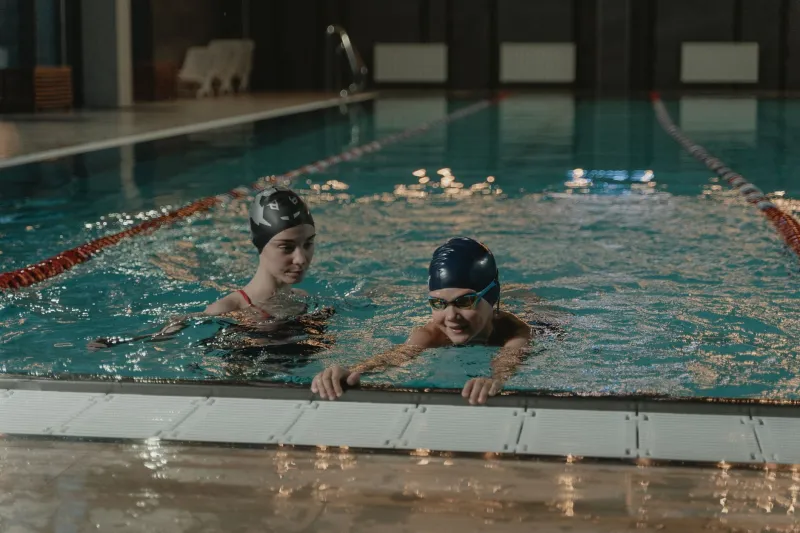
The October half-term is behind us, the dark nights have properly set in, and there's a familiar smell of damp towel drifting off the radiator again. Across Bordesley Village and the streets around Coventry Road, swim bags have been re-packed, goggles have been fished out from under beds, and a good chunk of the village's children are back in weekly lessons at leisure centres across east Birmingham.
Which means the questions have started again. Usually at the desk, usually from a parent holding a damp swimming hat: is the chlorine wrecking their teeth? And, almost as often: why have her front teeth gone brown?
Both are fair questions. Both have reassuring answers. So let's untangle it properly.
Chlorine is not the villain of this story
Here's the short version: the chlorine in a properly run swimming pool will not dissolve your child's enamel. Enamel is the hardest substance in the human body, and a splash around in a pool that's being tested and balanced the way it should be is not a threat to it.
What people are really noticing when they blame the water is usually one of three things — the pool's pH being out of whack, the drinks and snacks that come with the swimming trip, or the harmless staining we'll come to in a moment.
A pool that's badly maintained and sitting at a low pH can be a different matter. Water that tastes sharp or metallic, stings eyes within seconds and leaves skin feeling tight is a pool worth mentioning to the staff, mostly because it's unpleasant for everyone — but if your child swims there for hours every week, it's worth mentioning at your next dental check-up too. That's a chemical balance question, not a reason to stop swimming.
Swallowing the odd mouthful of pool water is grim but not a dental emergency. Nobody's teeth have ever fallen out from a Saturday morning lesson.
The brown stain that startles parents
Now for the one that causes the most alarm. A child swims regularly for a few months, and one day you notice a yellowish-brown shadow along the gum line of the front teeth. It looks dramatic. It looks, to a worried parent, a lot like decay.
In most cases it's what dentists call swimmer's calculus — sometimes just 'swimmer's stain'. Pool water carries minerals and proteins, and when a child spends several hours a week in it, some of that material binds onto the soft film of plaque that's always sitting on teeth anyway. Over time it hardens into a brownish deposit.
It's on the outside of the tooth, not inside it. It isn't decay. It doesn't hurt. And it comes off with a routine scale and polish at the dentist — the same appointment you'd book for a check-up.
What it doesn't need is a heroic scrubbing campaign at home. We've heard of children being handed bicarbonate of soda on a hard brush, or a nail file, or — once, memorably — a kitchen scourer. Please don't. Enamel worn away by abrasive scrubbing doesn't grow back, and that's a far more real problem than a stain that a dentist can remove in ten minutes.
The poolside bag matters more than the pool
If we're honest, the thing most likely to affect a swimmer's teeth never touches the water. It's in the bag.
- Sports drinks. Marketed at swimmers, sipped slowly over an hour, acidic and sugary in equal measure. A slow-sipped bottle is harder on teeth than a pudding eaten in one sitting.
- Squash and fizzy pop in the changing-room vending machine.
- The post-swim treat. The chips on the way home, the cereal bar in the car, the sweets for 'being brave'. Nobody's saying never — just notice how often it adds up.
The fix is refreshingly boring: plain water in the bottle, and any treat eaten as part of a meal rather than grazed on across the afternoon. Teeth cope far better with sugar that arrives and leaves quickly.
A two-minute after-swim routine
Nothing here needs equipment or a timer. It's four small habits to fold into the trip home.
- Rinse with plain water. Have your child swill and spit a mouthful of drinking water after the lesson. It clears the chlorine taste and loosens anything sitting on the teeth.
- Hold off on the brush for half an hour. If the pool water tasted sharp, or they've had a sports drink, the enamel is temporarily softened. Give saliva a chance to do its job — roughly thirty minutes is a sensible window — then brush as normal.
- Brush properly at bedtime. Twice a day with a fluoride toothpaste, and spit rather than rinse afterwards so the fluoride stays put. The evening brush is the one that matters most, and swimming doesn't change that.
- Keep the goggles on. Not a dental tip, but a good habit for the eyes and one less reason for a child to dread the lesson.
For the children who train properly
There's a difference between a weekly lesson and a club swimmer doing five sessions a week. If your child is in the pool for several hours regularly, a few extra things are worth knowing.
Staining is more likely, so it's worth asking us to look each check-up rather than waiting for it to bother you. Sensitivity to cold drinks is worth reporting — it can be an early sign of enamel wear, particularly if the pool's chemistry isn't well controlled. And if it's been a few years since a child's last fluoride varnish, ask whether it's due; it's a simple, painless coating that gives enamel a bit more resilience.
The club itself should be testing water quality daily. Most do it well. It's not a strange question to ask.
When it's a dentist's job, not a scrubbing brush's
Book an appointment rather than reaching for anything abrasive if you notice:
- staining that doesn't shift with ordinary brushing
- brown patches that feel rough or sticky, or sit in the pits of back teeth
- white, chalky spots near the gum line
- teeth that look translucent or greyish at the edges
- sensitivity to cold, or complaints of a twinge
- gums that bleed when brushing
The first two on that list are the ones to take most seriously — sticky brown patches aren't stain, and they're worth a look sooner rather than later.
Bringing it back home
The swim club smile is, on the whole, a good-news story. Swimming is brilliant for children — for fitness, confidence and the kind of tiredness that gets them to sleep on a Thursday. The teeth part is manageable: water in the bottle, a rinse afterwards, a sensible gap before brushing, and a check-up twice a year so any staining gets cleaned off professionally rather than attacked at the sink.
If it's been a while since your swimmer was last seen — or you'd just like someone to look at that brown shadow and tell you it's fine — our team at Bordesley Village Dental Practice is happy to take a look. Give us a ring, or call in, and we'll find a slot that fits around school and lessons.