After the Puff: A Bordesley Family’s Everyday Plan for Asthma and Healthier Smiles

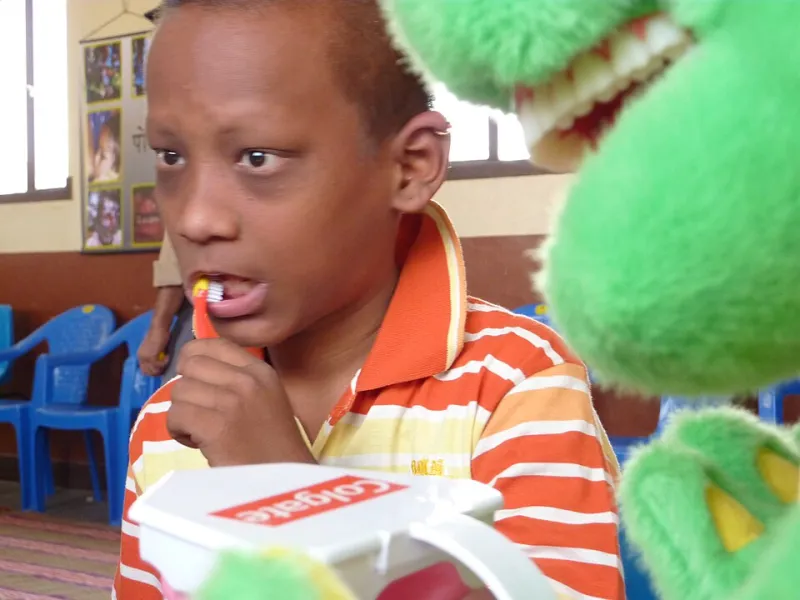
Photo: Thomas Nugent , CC BY-SA 2.0, via Wikimedia Commons
On a school morning in Bordesley, the list can feel long: uniform, packed lunch, PE kit, water bottle, inhaler. The blue reliever often gets checked before the front door closes. Dental care? Usually not on the list. Not because families do not care — it is just another thing to remember.
Asthma does not mean a child is destined for tooth trouble. Most families manage just fine with a few small habits and a bit of honesty at the dental practice. The aim is not to turn the inhaler into a worry. It is simply to make sure the mouth gets a fair share of attention alongside the lungs.
Why the inhaler matters to the mouth
Asthma itself does not directly cause cavities. But some inhalers — particularly steroid preventer inhalers — can leave a little medicine in the mouth after use. For some children and adults, that can make the mouth feel sore, cause white patches such as oral thrush, or add to a dry, uncomfortable feeling. Reliever inhalers and mouth breathing during a flare-up can also leave the mouth drier than usual.
Saliva is the mouth’s quiet helper. It washes food away, neutralises acid and keeps tissues comfortable. When saliva slows down, teeth and gums can feel less protected. That is why a child who breathes through their mouth at night, or who uses an inhaler several times a day, may wake up with a dry mouth and a stale taste.
None of this is a reason to stop or change asthma medicine. Well-controlled asthma comes first. The dental side is about small, sensible routines that fit around real life.
The ten-second rinse that makes a difference
After using a steroid preventer inhaler, rinse the mouth with water and spit it out. For younger children, help them with this until they can do it properly themselves. If your child uses a spacer, follow the instructions from your GP, asthma nurse or pharmacist — and keep the same rinse habit afterwards.
The rinse is not a big performance. A small cup by the bathroom sink, a swig of water, a swish and a spit. It helps clear leftover medicine from the mouth. Try to leave brushing until after the inhaler and rinse, so fluoride toothpaste has the last word at bedtime.
Brushing still matters twice a day with fluoride toothpaste. The rinse is an add-on, not a replacement. If your child uses a blue reliever inhaler during the day, a sip of water afterwards is a kind habit too, though the preventer inhaler is the one where rinsing really earns its keep.
Dry mouth at school and bedtime
Water is the best drink for a dry mouth. Pop a named water bottle in the school bag and check that your child’s school allows it to be kept on the desk. Sipping through the day is simple and effective.
Sugar-free gum can help older children keep saliva moving, if they are old enough and the school allows it. Sugary drinks, juice and squash sipped slowly between meals are less kind to teeth, especially when the mouth is already dry. Keep them for mealtimes where possible.
At bedtime, a calm order helps: inhaler, rinse and spit, then brush with fluoride toothpaste. After brushing, nothing but water. If your child needs their inhaler after brushing because of symptoms, do not panic — just rinse with water and mention it at the next dental visit if you are unsure.
What to tell us when you book
When you ring Bordesley Village Dental Practice, mention that your child has asthma. It does not need to be a long conversation. Reception can note it on the appointment so the dental team knows before you arrive.
Bring the reliever inhaler to the appointment if your child has one prescribed. At check-in, remind us. Tell us if your child has used their inhaler that morning, if they use a spacer, or if lying back or certain smells might set off a cough. If your child feels anxious about the dentist, say so — we can go at their pace, take breaks and explain each step.
It is also worth mentioning any sore mouth, white patches, bleeding gums or ongoing dry mouth. These things are easier to sort when we know the full picture. We are not here to lecture anyone about inhaler use. We just want the mouth check to be comfortable and useful.
A short family checklist
- School bag: reliever inhaler if prescribed, spacer if used, named water bottle, sugar-free gum if appropriate.
- Bathroom: inhaler, small rinsing cup, fluoride toothpaste, soft toothbrush.
- Bedtime: inhaler, rinse and spit, brush with fluoride toothpaste, no snacks afterwards.
- Appointment: mention asthma when booking, bring the inhaler, remind us at check-in.
- Review: keep dental check-ups at the interval your dentist advises, and speak up about dry mouth or sore patches sooner rather than later.
When to ask for help sooner
If your child has persistent mouth soreness, white patches that do not settle, bleeding gums, tooth pain or a dry mouth that is making eating uncomfortable, contact the practice. For asthma symptoms or medication worries, speak to your GP or asthma nurse. In an emergency, use the usual NHS urgent routes.
The blue inhaler is a normal part of family life in Bordesley. A cup of water, a quick rinse and a word at reception keep it from becoming a dental headache. If a check-up is due, book it in — we will make room and take it at your family’s pace.