Before You Try That Viral Smile Hack: An Honest Verdict from a Bordesley Dental Chair
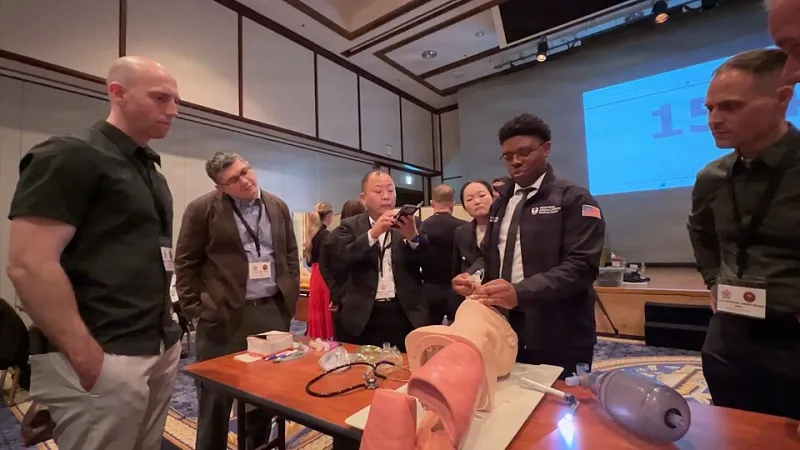
Photo: U.S. Army USAGJ by Daisuke Sato, Public domain, via Wikimedia Commons
Every few months a new smile hack lands in my feed. Sometimes it is a black paste, sometimes it is a bottle of coconut oil, and sometimes it is a teenager with a rubber band and a very confident voiceover. I am not against social media. I am against people damaging their teeth while trying to improve them.
So here is the honest version, from a dental chair in Bordesley rather than a ring light in a bedroom. Some of these trends are harmless. Some are a waste of money. A few are genuinely risky. And none of them replace the basics.
Why a viral video is not a clinical trial
Before-and-after videos are designed to be persuasive. Lighting changes, camera angles, filters and editing can make a small difference look enormous. A tilted head can hide a dark gap. A bright ring light can make anyone’s enamel look whiter. A paid partnership may not mention that the product contains no fluoride.
That does not mean every creator is dishonest. It means a video is not evidence. We look at ingredients, abrasiveness, fluoride content, gum safety and long-term enamel effects. A trend can be popular and still be a bad idea for your family.
Charcoal toothpaste: more mess than magic
Activated charcoal is abrasive. It can lift some surface staining because it is scrubbing hard, not because it is cleverly targeting stain. Many charcoal toothpastes also contain no fluoride, which means you lose the cavity protection that ordinary toothpaste gives you.
Over time, a gritty paste can wear enamel. Enamel does not grow back. I would not recommend charcoal toothpaste for children, and I would not recommend it for adults who want a safe long-term routine. If you have already tried it, do not panic. Just stop and go back to a fluoride toothpaste.
Oil pulling: unlikely to harm, unlikely to transform
Oil pulling means swishing coconut or another oil around the mouth for ten to twenty minutes. Some small studies suggest it may reduce plaque, but the evidence is not strong enough to make it a treatment. It does not remove tartar, close gaps, cure gum disease or replace brushing.
If you enjoy it, it is unlikely to do damage as long as you do not swallow the oil and you still brush twice a day. But it is not a family routine I would build a bedtime around. Ten minutes of swishing is a long time in a house with school uniforms to iron.
The hacks that genuinely worry me
DIY whitening with lemon juice, bicarbonate of soda or strong hydrogen peroxide is a real concern. Acid softens enamel, and peroxide at the wrong strength can burn gums. Filing or sanding teeth at home is irreversible. So is using a nail file to smooth a chip. Rubber bands to close gaps can pull teeth in directions they should not go, damage gums and even loosen teeth.
I would also be cautious about any video that promises orthodontic results without an assessment. Teeth and jaws are not a craft project. If a child or teenager is worried about their smile, a proper check-up is kinder than a homemade fix.
What actually works, and costs less than a takeaway
Brush twice a day for two minutes with a fluoride toothpaste. For most adults, that means around 1350 to 1500 parts per million fluoride. Spit after brushing rather than rinsing, because rinsing washes away the protection. Clean between your teeth with floss or interdental brushes, and cut down on how often sugary drinks and snacks hit your teeth.
Book regular NHS check-ups. If staining bothers you, ask about a scale and polish or dentist-led whitening rather than reaching for lemon juice. A professional clean removes a lot of staining that no toothpaste can touch.
A simple Bordesley family plan for 2026
Keep fluoride toothpaste by every sink. Use a timer or a two-minute song. Swap sugary squash for water between meals. Put dental check-ups in the school half-term diary. If a viral product has caught your eye, bring it to your appointment and ask. We would rather answer a question than treat an avoidable problem.
And if you have already tried something and you are worried, please book. There is no lecture waiting for you. Just a calm look and a plan.