A Seat for Two: Dental Care Through Pregnancy and Your Baby’s First Year in Bordesley
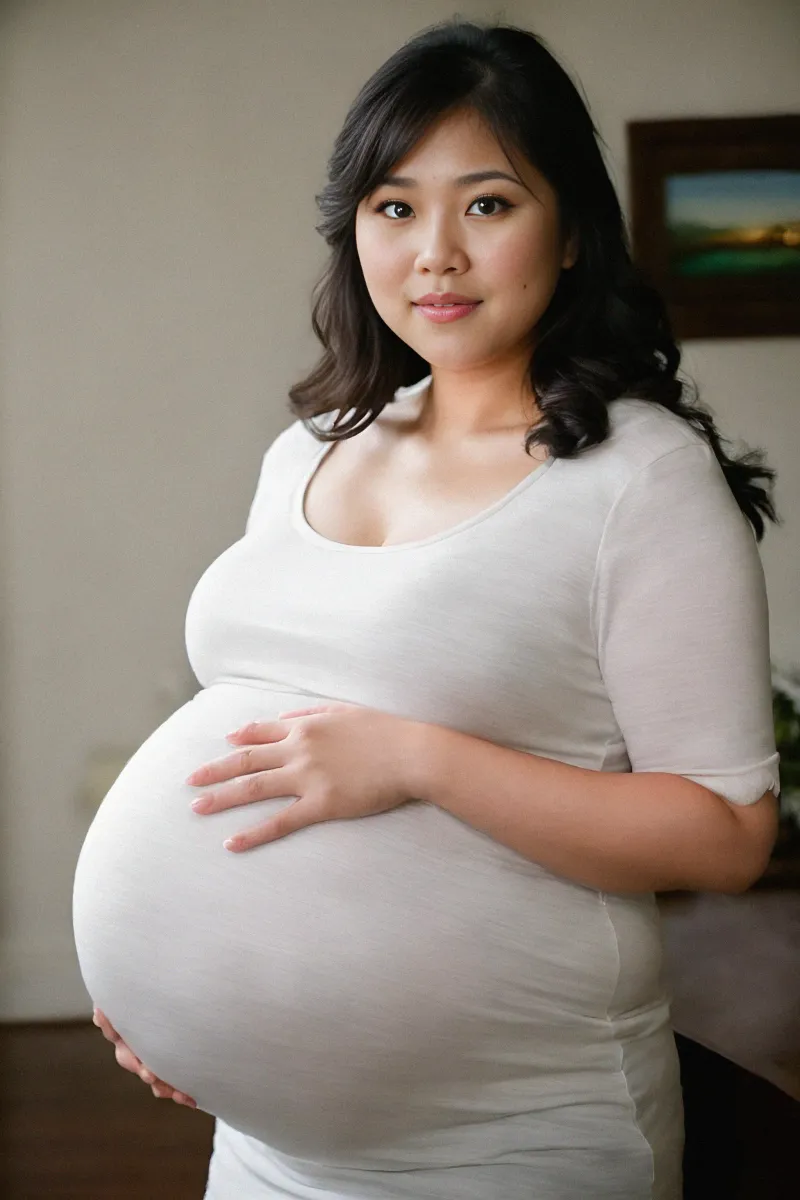
Photo: pregnant mother helping baby brush teeth in bathroom UK, via r2-us-west.photoai.com
Pregnancy comes with a lot of appointments. Midwife, scans, antenatal classes, and somewhere in between, the dentist may not feel like a priority. But your gums are affected by the same hormonal changes as the rest of your body, and the first year with a baby is when some of the most useful dental habits begin.
This is not about adding another job to your list. It is about knowing what you are entitled to, what is normal, and how to make brushing a small, manageable part of the day.
Free NHS dental care: what pregnancy entitles you to
In the UK, NHS dental treatment is free while you are pregnant and for twelve months after your baby is born. You will usually need a maternity exemption certificate, often called a MatEx. Ask your midwife or GP if you have not received one. If it has not arrived before an appointment, tell reception so they can advise you.
Children under 18 are also entitled to free NHS dental care. You can register your baby with a dentist early, even before the first tooth appears. If you are moving house or your family routine changes, it is worth checking that everyone is still registered locally.
Why your gums may bleed
Pregnancy hormones increase blood flow to the gums, which can make them feel tender, swollen or more likely to bleed when you brush. This is often called pregnancy gingivitis. It is common, but it is not something to ignore. Brushing gently twice a day and cleaning between your teeth can help. If bleeding continues or your gums are sore, book a check-up.
Morning sickness brings another issue. Stomach acid softens enamel, so brushing straight after being sick can wear the tooth surface. Rinse with plain water, wait around thirty minutes, then brush with fluoride toothpaste. If sickness is frequent, mention it to your dentist and midwife.
What to expect at a check-up
A check-up during pregnancy is usually short and straightforward. Tell your dentist that you are pregnant and how far along you are. They will look at your gums and teeth, ask about any medicines and discuss whether treatment is needed. Routine X-rays are usually avoided unless there is a clinical reason, and if you need treatment, your dentist will talk you through the safest options.
Later in pregnancy, lying flat for a long time can make you feel dizzy. Ask for breaks or to sit up. There is no need to put off pain or a broken tooth because you are pregnant. Dental problems do not pause for nine months, and getting advice early is better than coping with discomfort.
Food, snacks and the eating-for-two myth
You do not need to eat for two, but you do need to think about how often your teeth meet sugar. Grazing on biscuits, sweet drinks or dried fruit keeps the mouth acidic. Try to keep sugary things to mealtimes where possible and choose water between meals. Cheese, plain yoghurt, nuts and vegetables are useful snacks that are kinder to teeth.
If you have cravings, keep them realistic. A square of chocolate with a meal is different from sipping sugary tea all afternoon. And try not to brush straight after acidic food or drink. Wait a little while, then brush.
Baby’s first year: before the first tooth
You can clean a baby’s gums with a soft, clean cloth even before teeth appear. Once the first tooth arrives, start brushing. Use a baby toothbrush and a smear of fluoride toothpaste containing around 1000 parts per million fluoride for children under three. Brush twice a day, with one of those times being last thing at night.
Spit after brushing rather than rinsing, because rinsing removes the fluoride. Do not let your baby fall asleep with a bottle containing anything other than water. If they have milk at night after brushing, offer water instead. Dummies should not be dipped in sugar or honey.
Take your baby to the dentist when the first tooth appears, or around their first birthday if no tooth has arrived. The visit can be a lap visit. It is a chance for your baby to meet the chair, the lights and the team, and for you to ask questions.
A routine that survives real life
Keep the toothbrush where your baby can see it. Brush together if you can, even for a few seconds. Use a two-minute song or a timer, but do not worry if some days are chaos. Checking the teeth once a month in good light can help you spot changes early.
Do not share toothbrushes, and do not put anything in your mouth that has been in your baby’s mouth if you can avoid it. If you are on Coventry Road or nearby, book appointments around school runs and nap times where possible. Small changes work better than perfect plans.
When to ask us
Ask if your gums bleed, if a tooth hurts, if you notice white spots or ulcers, or if you are unsure about dummies, bottles or brushing. There is no silly question when it comes to a first tooth. We would rather see you early and send you home reassured.